
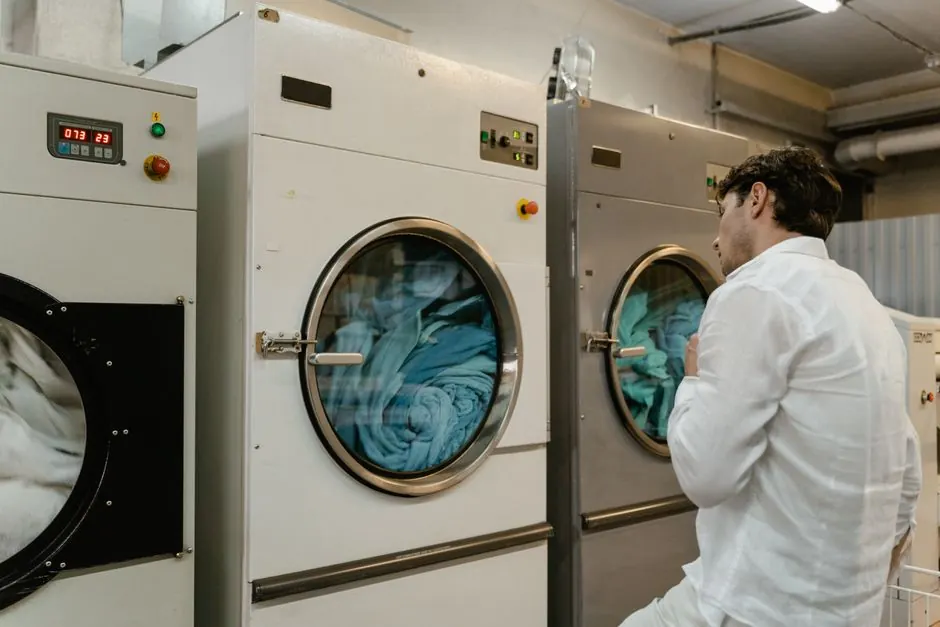
Washing machines are essential appliances in every household, but they can sometimes become noisy, leading to frustration. If you find yourself asking, "Why is my washing machine making these sounds?" you're not alone. In this guide, we will walk you through five simple steps to help you diagnose and fix a noisy washing machine in Mountain View.
These steps will not only help you understand the source of the noise but also empower you to take action. Let's dive into the details.
Identify the Noise Type
The first step in addressing a noisy washing machine is to identify the type of noise it is making. Common noises include:
- Thumping: Often indicates an unbalanced load.
- Squeaking: Could be a sign of worn-out belts or pulleys.
- Grinding: May suggest that something is stuck in the drum.
- Banging: Usually caused by loose parts or an uneven surface.
- Humming: Often related to electrical issues or a malfunctioning motor.
By pinpointing the noise type, you can narrow down the potential causes and solutions. For instance, if you hear a thumping noise, you might need to check the load balance.
Check for Load Balance
One of the most common reasons for a noisy washing machine is an unbalanced load. If the drum is overloaded or the items are not distributed evenly, it can cause the machine to shake and produce noise. Here's how to check:
- Open the washing machine door and inspect the load.
- Redistribute the laundry evenly around the drum.
- If necessary, remove some items to lighten the load.
- Run a spin cycle to test if the noise persists.
Maintaining a balanced load is crucial for the longevity of your machine. Regularly checking your load can prevent future issues.
Inspect the Drum and Belts
If the noise continues, it's time to inspect the drum and the belts. Worn-out or damaged belts can lead to a range of noises. Here's what to do:
- Unplug the washing machine for safety.
- Remove the back panel to access the drum and belts.
- Check for signs of wear or damage on the belts.
- Spin the drum manually to see if it moves smoothly.
If you notice any fraying or if the drum feels stuck, it may be time to contact a professional for Washer Repair Mountain View CA.
Examine the Water Supply and Drainage
Another potential cause of noise could be related to your washing machine's water supply and drainage system. If there's a blockage or a kink in the hose, it can create unusual sounds. To check this:
- Inspect the water supply hoses for any kinks or blockages.
- Ensure that the hoses are securely connected to both the machine and the faucet.
- Check the drainage hose for clogs or bends.
- Run a cycle to see if the noise has been resolved.
Proper water flow is critical for your machine's operation. If problems persist, consider scheduling an Emergency Appliance Repair Mountain View CA.
Look for Foreign Objects
Sometimes, the source of the noise can be something as simple as a foreign object trapped in the drum. Items like coins, buttons, or small clothing items can cause significant noise during operation. Here's how to check:
- Stop the washing machine and open the door.
- Carefully inspect the drum for any visible objects.
- Remove any items you find.
- Run the machine again to see if the noise continues.
Regularly checking for foreign objects can help avoid damage to your machine.
Common Mistakes
While attempting to fix a noisy washing machine, homeowners often make some common mistakes:
- Ignoring the User Manual: Always refer to the user manual for troubleshooting tips.
- Overloading the Machine: This can lead to imbalance and excessive noise.
- Neglecting Regular Maintenance: Schedule routine maintenance to keep your machine running smoothly.
- Forgetting to Check Hoses: Always inspect hoses for wear and tear.
When to Call a Professional
If you've tried all the above steps and your washing machine is still noisy, it may be time to call a professional. At Mountain View Appliance Repair, we understand the importance of a quiet and efficient washing machine. Our experienced technicians can diagnose and fix any issues, ensuring your appliance runs smoothly.
Frequently Asked Questions
Why is my washing machine making a loud banging noise?
A loud banging noise often indicates an unbalanced load. Check the drum for even distribution of clothes and adjust as needed.
What should I do if my washing machine is squeaking?
Squeaking can be a sign of worn belts or bearings. Inspect these components and replace them if necessary.
Can I fix a noisy washing machine myself?
Yes, many issues can be resolved with basic troubleshooting. However, if you're unsure or uncomfortable, it's best to consult a professional.
How often should I maintain my washing machine?
Regular maintenance every 6-12 months can help prevent issues. This includes cleaning filters, checking hoses, and inspecting belts.
When should I replace my washing machine?
If repairs exceed half the cost of a new machine or if it's over 10 years old, consider replacement.