
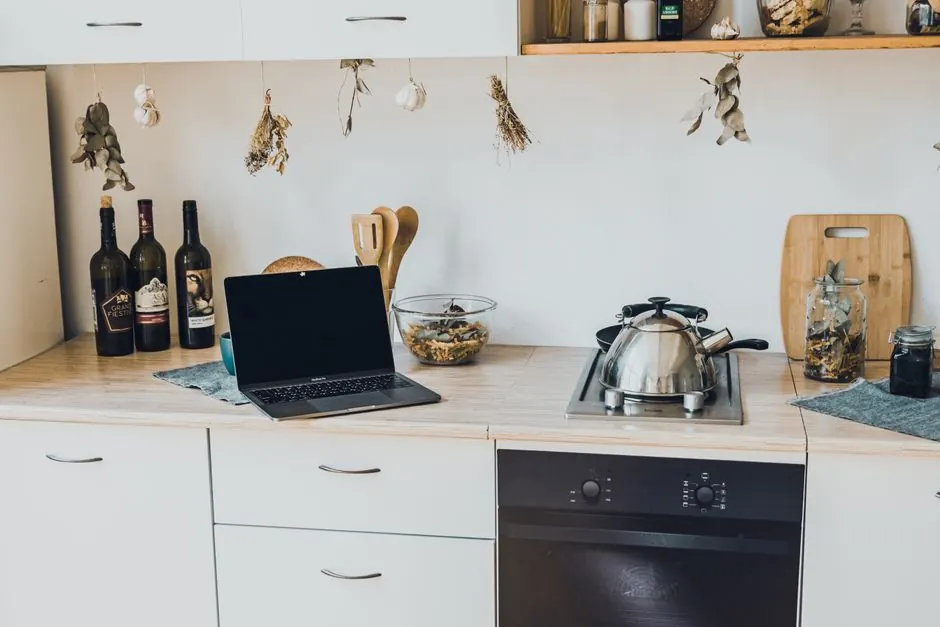
When your stove fails to heat up, it can disrupt your meal preparations and cause unnecessary stress. Understanding the common reasons behind this issue can help you troubleshoot effectively. In this guide, we'll explore the typical causes of a non-heating stove and provide actionable steps to resolve the problem, particularly for residents of Mountain View.
Common Causes of Heating Issues
There are several reasons why your stove may not be heating properly. Identifying the root cause is the first step in resolving the issue. Here are some common causes:
- Power supply problems
- Faulty heating element
- Malfunctioning thermostat
- Issues with the stove's control board
- Improper installation or maintenance
Checking Power Supply
The first thing to check when your stove is not heating is the power supply. Ensure that the stove is plugged in securely and that the outlet is functioning. You can test the outlet by plugging in another appliance. If the outlet is dead, you may need to reset the circuit breaker or replace a blown fuse.
In many homes in Mountain View, especially older ones, electrical issues can arise due to outdated wiring. If you suspect this may be the case, consider contacting a local electrician for a thorough inspection.
Inspecting the Heating Element
If the power supply is intact, the next step is to inspect the heating element. For electric stoves, this is usually a coil or a smooth surface burner. Look for visible signs of damage, such as cracks or burn marks. If the element appears damaged, it will need to be replaced.
For gas stoves, ensure that the burner is clean and free of debris. Sometimes, food particles can block the gas flow, preventing the burner from igniting properly. Regular maintenance, such as cleaning the burners, can help avoid these issues.
Thermostat Troubles
The thermostat plays a crucial role in regulating the temperature of your stove. If it is malfunctioning, your stove may fail to heat up as expected. To test the thermostat, you can use an oven thermometer to check if the temperature matches the setting. If there's a significant discrepancy, the thermostat may need recalibration or replacement.
In some cases, the issue might not be with the thermostat itself but with the wiring connected to it. Inspect the wiring for any signs of wear or damage. If you're unsure, it's best to consult a professional for oven repair in Mountain View, California.
Common Mistakes to Avoid
When troubleshooting your stove, it's easy to overlook some simple factors that could be causing the issue. Here are common mistakes to avoid:
- Not checking the power supply first
- Assuming the heating element is fine without inspection
- Neglecting to clean burners or heating elements
- Forgetting to check the stove settings
- Ignoring unusual sounds or smells
When to Call a Professional
If you've gone through the troubleshooting steps and your stove is still not heating up, it may be time to call a professional. At Mountain View Appliance Repair, we understand how crucial your stove is for daily cooking. Our experienced technicians can diagnose and resolve a variety of stove issues efficiently.
Frequently Asked Questions
Why is my electric stove not heating up?
Electric stoves may not heat due to a faulty heating element, power supply issues, or a malfunctioning thermostat. Always start by checking the power supply before moving on to other components.
How do I know if my stove's heating element is bad?
Signs of a bad heating element include visible damage, such as cracks or burn marks, or if it fails to heat up after being turned on. Testing with a multimeter can confirm if it's faulty.
Can I fix my stove myself?
While some minor issues can be resolved at home, such as cleaning burners or checking power connections, more complex problems should be handled by professionals to avoid safety hazards.
What should I do if my gas stove won't ignite?
If your gas stove won't ignite, check for gas flow and ensure the burners are clean. If the problem persists, it may be a more significant issue requiring professional repair.
Is it worth repairing an old stove?
The decision to repair or replace an old stove depends on the extent of the repairs needed and the age of the appliance. If repairs are frequent and costly, investing in a new stove may be more economical.